Targeting Muscle Dysfunction at the Source
Dry Needling in Lake Charles for myofascial trigger points and muscle tension that limit movement and contribute to discomfort
Muscle tension that persists despite stretching, rest, or general exercise often originates at specific trigger points—localized areas within muscle tissue where normal contraction patterns are disrupted and movement restrictions develop. Thrive Physical Therapy incorporates dry needling for appropriate patients in Lake Charles as one component of a broader rehabilitation plan designed to address those underlying muscle function issues. When evaluation identifies trigger point activity as a contributing factor to movement restriction or discomfort, dry needling may be added alongside hands-on care and therapeutic exercise.
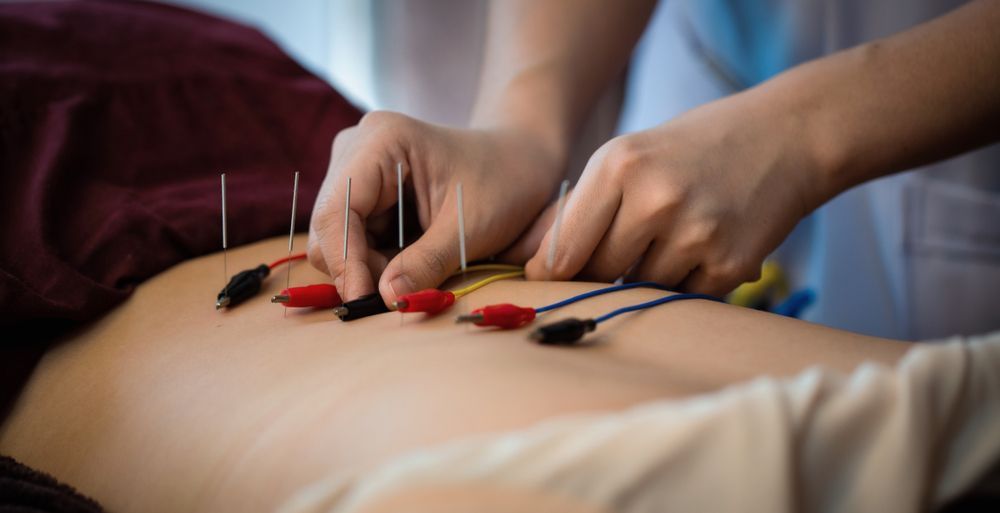
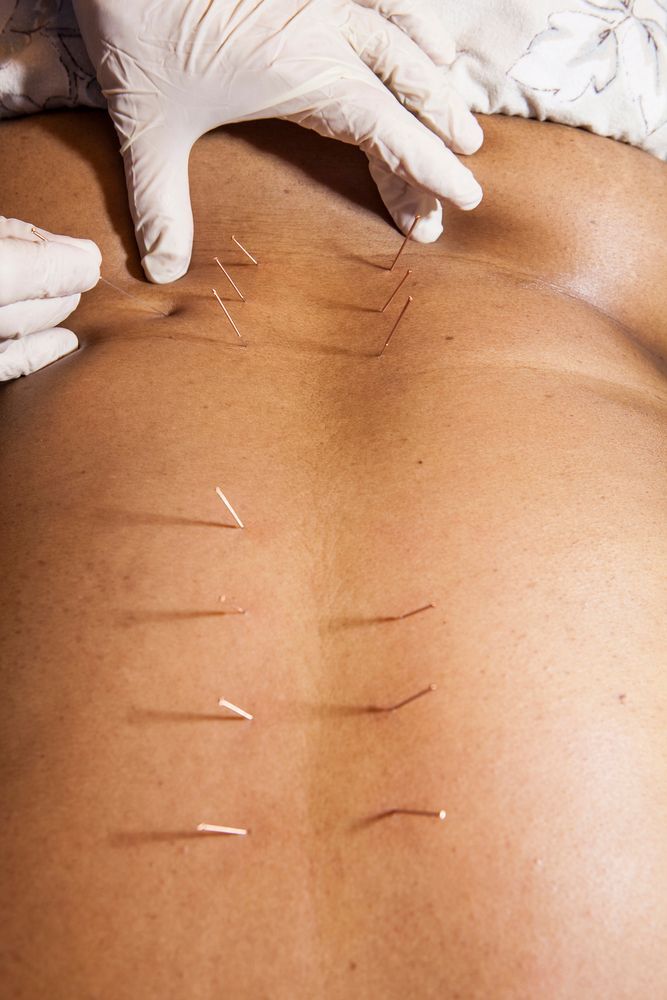
Dry needling involves inserting a thin filiform needle directly into a myofascial trigger point to address the localized muscle dysfunction at that site. The technique targets the neuromuscular response within the affected tissue—a characteristic twitch response during insertion indicates that the trigger point has been reached. A physical therapist trained in dry needling selects insertion sites based on evaluation findings, not standardized templates, so the approach reflects each patient's specific clinical presentation.
Ask your physical therapist whether dry needling fits your current condition and rehabilitation goals, or request a consultation at Thrive to have your symptoms evaluated.
How Dry Needling Addresses Trigger Point Dysfunction
Dry needling works by introducing a mechanical stimulus at the trigger point to interrupt the dysfunctional contraction cycle within the affected muscle fibers. A trained physical therapist identifies trigger points through palpation—areas that are tender under pressure, reproduce familiar symptoms, or restrict range of motion in a related joint or segment. The session is targeted, with needle placement driven by those specific clinical findings rather than generalized anatomy.
Patients often notice changes in muscle tension and movement range following a dry needling session, though individual responses vary and no specific outcome is guaranteed. Thrive integrates dry needling with therapeutic exercise and manual care because needling alone does not address the movement habits or strength deficits that contribute to trigger point recurrence.
Dry needling is not appropriate for every patient or every condition, and a physical therapy evaluation is the appropriate starting point for determining whether the technique fits a particular presentation. Contraindications are screened during the intake process before any treatment decision involving needling is made.
What Patients Ask About Dry Needling
Dry needling raises practical questions for patients who haven't encountered the technique in a rehabilitation setting. The following addresses how the process works and how it fits into care at Thrive Physical Therapy.
What is dry needling and how does it differ from acupuncture?
Dry needling is a physical therapy technique that targets myofascial trigger points based on musculoskeletal evaluation findings, distinct from acupuncture's meridian-based clinical framework.
How does the physical therapist determine where to insert the needle?
The insertion site is identified through hands-on palpation during the session, guided by trigger point activity and movement restrictions documented in your evaluation.
What should I expect to feel during a dry needling session?
A brief localized twitch response is common when the needle reaches an active trigger point; the sensation is typically described as a momentary deep ache or cramping at the site.
Why is dry needling used alongside other treatments rather than as a standalone approach?
Trigger point activity often reflects broader movement pattern or strength issues, and pairing needling with exercise and manual care addresses contributing factors more completely.
How is dry needling incorporated into care for patients in Lake Charles?
Physical therapists at Thrive assess each patient's specific trigger point involvement and movement restrictions before recommending dry needling as part of a rehabilitation plan.
For patients managing persistent muscle tension or movement limitations that haven't resolved with other approaches, Thrive Physical Therapy can evaluate whether dry needling is clinically appropriate for your presentation. Request an intake appointment to begin the assessment process.
Speak With A Board Certified Specialist Today!
Is your pain making it difficult for you to concentrate?
Are you hoping it will just go away but it’s still hurting you?
If you answered “Yes” to any of those questions, you should call us and make an appointment to see one of our qualified Physical Therapist. We will interview you, find out your problem, layout the customized plan for you and work with you personally.
Call one our offices now at (337) 990-5621 or request an appointment:

Ask a Specialist
Contact Us
We will get back to you as soon as possible.
Please try again later.