Hands-On Care Directed by Evaluation Findings
Manual Therapy in Lake Charles for joint and soft-tissue movement restrictions that limit comfortable daily activity
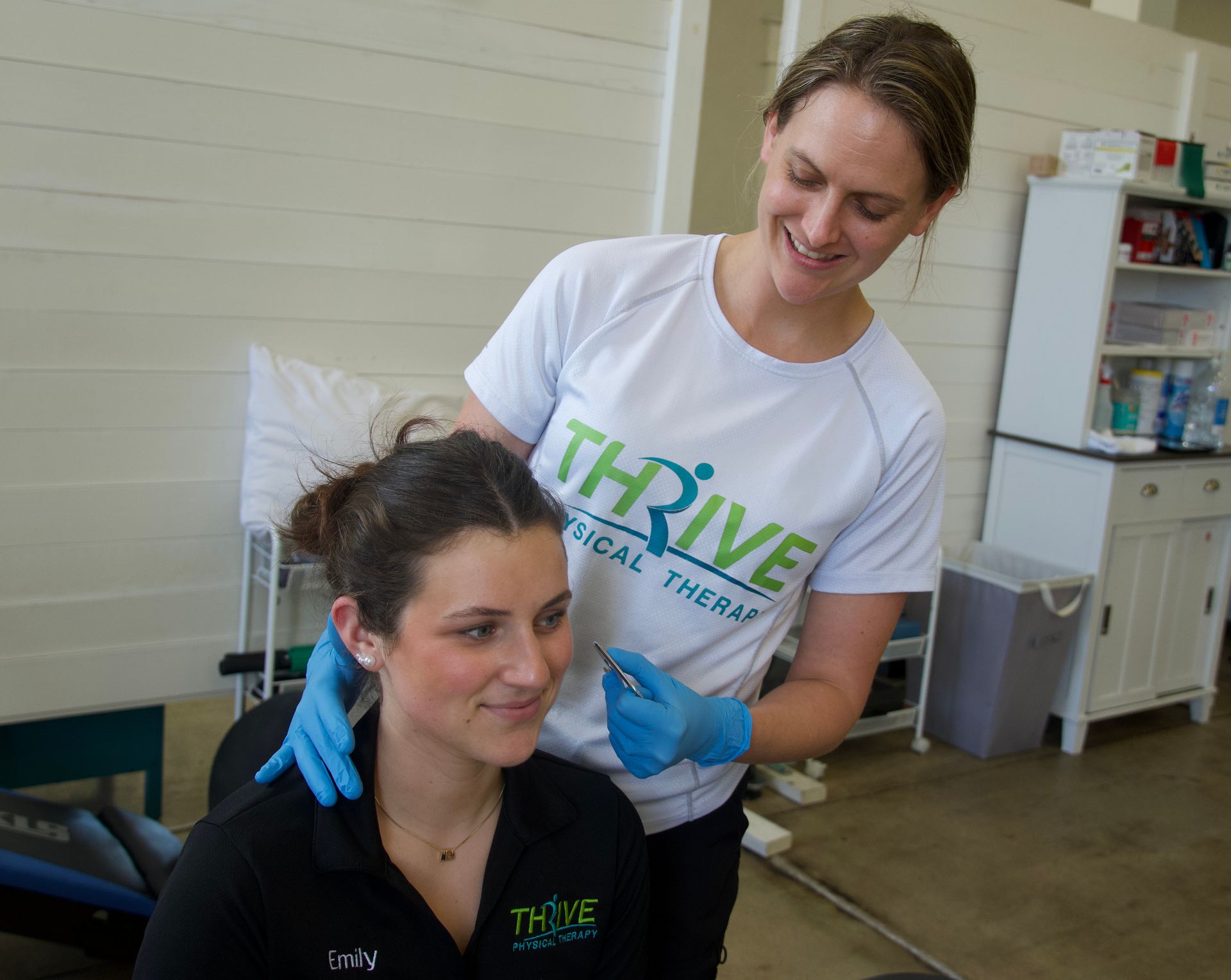
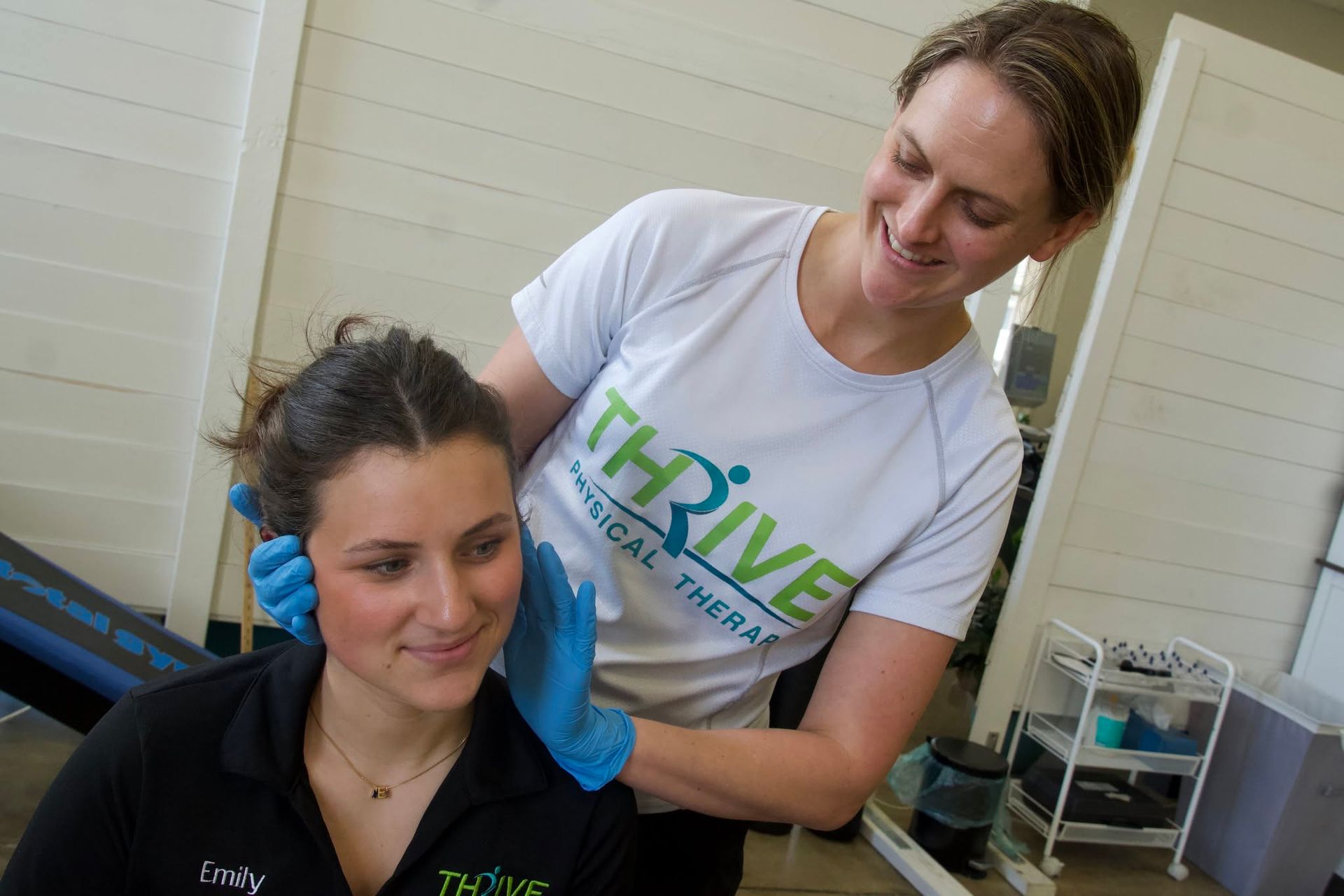
A hands-on assessment of joint mobility and soft-tissue movement is completed before any manual technique is applied—that sequence is what separates evaluation-driven care from protocol-based treatment. Thrive Physical Therapy incorporates manual therapy into individualized rehabilitation plans in Lake Charles when that assessment identifies restrictions that hands-on techniques are specifically appropriate to address. Patients whose movement is limited by joint stiffness, soft-tissue restrictions, or guarding patterns following injury or prolonged disuse are among those for whom manual therapy becomes a relevant component of care.
Manual therapy encompasses several hands-on techniques that physical therapists apply to joints and surrounding soft tissue to address movement restrictions. Joint mobilization targets specific restrictions in joint mechanics, while soft-tissue work addresses muscle tension, tissue mobility, and compensation patterns that frequently develop around areas of pain or limited movement. The technique selected in any given session follows from what palpation and movement assessment reveal, not from a predetermined sequence.
Arrange an evaluation at Thrive Physical Therapy to assess whether joint or soft-tissue restrictions are contributing to your current movement limitations.
Why Movement Restrictions Develop and How Manual Work Addresses Them
Movement restrictions in joints and soft tissue develop through recognizable pathways: tissue changes following injury, postural loading sustained over time, compensation habits that develop around painful areas, and deconditioning during recovery periods. Manual therapy interrupts those restriction patterns by applying controlled force to specific tissues—joint mobilization affects joint capsule mobility and proprioceptive signaling, while soft-tissue techniques address the mechanical properties of muscle and connective tissue.
After manual treatment, patients often notice changes in how specific movements feel and how far a joint moves through its available range. Those measurable shifts are documented throughout care at Thrive, because tracking changes in movement quality guides decisions about what each subsequent session should address.
Manual therapy is paired with exercise and patient education in a complete rehabilitation plan because tissue mobility gained during hands-on treatment needs reinforcement through active movement to carry over into daily function. Thrive incorporates both components to support durable changes in how you move rather than session-by-session relief without longer-term carryover.
Common Questions About Manual Therapy
Patients are often unfamiliar with what hands-on physical therapy involves before their first session. These questions address how manual therapy fits into care and what the process looks like at Thrive Physical Therapy.
What does a manual therapy session actually involve?
A physical therapist applies targeted hands-on techniques to joints or soft tissue using controlled pressure, mobilization, or manipulation based on palpation and movement assessment findings.
Who performs manual therapy at Thrive?
Manual therapy is performed by trained physical therapists who assess movement and tissue restrictions before applying any technique.
How does manual therapy fit into a broader rehabilitation plan?
Hands-on techniques address mobility restrictions that active exercise alone may not fully resolve, making manual work and therapeutic exercise complementary rather than interchangeable.
What should I do to prepare for a manual therapy appointment?
Wearing comfortable clothing that allows access to the area being treated and arriving with a clear description of which movements or activities are most limited will help focus the session.
How does the physical environment in Lake Charles affect soft-tissue and joint conditions?
Sustained heat and physical labor in high-humidity conditions can contribute to increased tissue tension and altered movement patterns, factors that physical therapists at Thrive consider when selecting manual techniques and structuring exercise progressions.
Thrive Physical Therapy incorporates manual therapy as part of individualized rehabilitation when evaluation findings support it. An intake assessment is the starting point for determining which components of care are appropriate for your specific presentation.
Speak With A Board Certified Specialist Today!
Is your pain making it difficult for you to concentrate?
Are you hoping it will just go away but it’s still hurting you?
If you answered “Yes” to any of those questions, you should call us and make an appointment to see one of our qualified Physical Therapist. We will interview you, find out your problem, layout the customized plan for you and work with you personally.
Call one our offices now at (337) 990-5621 or request an appointment:

Ask a Specialist
Contact Us
We will get back to you as soon as possible.
Please try again later.